

The Eye of Horus online slot has built a loyal following, and a big part of its charm comes from how it looks and feels eyeofhorus.games. Across the UK’s vibrant gaming scene, players and critics alike keep returning to one point: its artistic quality and technical finish are exceptional. The game’s design philosophy selects a deep, atmospheric pull over loud, flashy effects. It captures the mystery of ancient Egypt not with brute force, but with a careful, compelling visual style. This attention to detail shows that a digital slot’s lasting power often depends on the nuance of its presentation and the confidence of its aesthetic vision. That focus on quality explains why many now call it a modern classic, a regular example in conversations about how to do theme right in iGaming.
The Central Aesthetic: A Voyage to Old Egypt
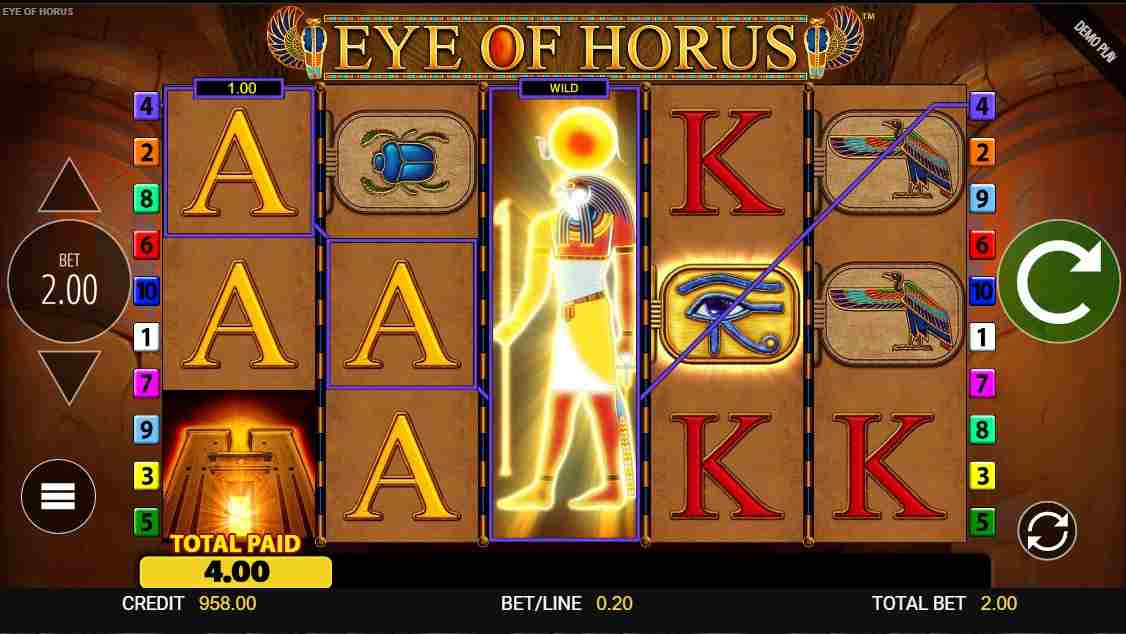
Load the game, and you’re instantly somewhere else. The screen is filled with a rich vision of old Egypt, painted in deep blues, burnished golds, and soft sandy tones. It bypasses the bright, cartoonish style you encounter in numerous other themed slots. This one strives for something more majestic and grounded. The reels stand before a serene, star-lit temple interior, hieroglyphics faintly visible on the stone walls. Every visual piece, from the symbols to the buttons, serves a single, unified story. The outcome is a slot that appears less like a random number generator and more like an artifact you can interact with. It stimulates your senses before you even hit spin. Distant desert winds and subtle, mystical chimes on the soundtrack complete the picture. Lighting is managed with a masterful touch. Soft glows follow the edges of stonework and symbols, creating depth and a quiet sense of mystery that compels you to look closer.
Symbol Design: Imagery with Purpose
The icons on the slots are examples in thematic sharpness and skill. The low-value images take the standard playing card symbols and reimagine them as graceful Egyptian relics. You’ll discover scarab beetles for spades and ankhs for hearts, all crafted in glittering gold. For the high-value images, the slot shifts to famous deities and treasures. There’s the grand god Horus, the knowledgeable goddess Isis, the guardian Wedjat eye, and a gorgeous golden necklace. Each one is rendered with intricate line work and a impression of actual weight, making them unique and rewarding when they line up for a win. This iconography does more than embellish. It teaches and immerses you deeper, turning each play into a miniature story about the culture it draws from. Take the scarab. It’s not just a club replacement. It’s an old symbol of rebirth and change, adding a dimension of depth to the game. Observe the texture on that golden necklace. You can see hints of lapis lazuli and carnelian inlay, a level of craftsmanship that goes beyond typical slot creation.
Motion and Visuals: Nuance Improves Gameplay
Many slots employ screen-shaking animation for all minor happenings. Eye of Horus follows a different path. It applies motion with moderation and defined purpose. A win gets a pleasing chime and a gentle, glowing pulse around the winning symbols. The Horus wild symbol delivers a regal flap of its wings when it lands. The big animations are saved for special features. The expanding Eye of Horus wild, as an illustration, dominates its reel with a strong, radiant effect. This tiered approach keeps the core gameplay smooth and clean. It also renders the major events appear genuinely important. The motion assists the game in place of fighting with it. UK reviewers often emphasize this balance, labeling it player-friendly and sophisticated. When the Free Spins round starts, the shift is indicated by a subtle visual change. The temple backdrop seems bathed in a new, more magical light. It indicates the change without causing disruption. The expanding wild’s animation is a highlight. It does not merely expand. It unfurls with a gradual, deliberate power that underlines its importance on the reels.
Interface: Clearness Meets Style Unification
A slot’s interface is essential, but it’s usually an afterthought. Not here. Eye of Horus merges its controls into the overall design. Keys for spin, bet modification, and autoplay seem like historic stone tablets or engraved metal. The font on them is clear and legible. Your funds, bet value, and most recent win are presented clearly, but they don’t interfere with the game’s art. The paytable is easy to view and just as beautifully shown. This harmony means you’re always taken out of the experience by a disruptive, modern-looking menu. Interaction feels intuitive and native to the game world. Developers used muted metallic surfaces and aged edges on every UI element, making them seem part of the temple design. Even the numbers for your credit sum and bet value use a typeface that resembles engraved stone writing. It’s a element that supports the concept at every turn, demonstrating a comprehensive design mindset.
Performance Metrics: Graphics That Deliver
Impressive imagery mean very little if they lag or stutter, particularly on a phone. The technical performance of Eye of Horus is a key component of its graphical acclaim. The game uses streamlined elements and efficient code to offer crisp, fluid visuals on every device. No matter if you’re on a desktop, smartphone, or tablet, the visuals adjust seamlessly. No element loses detail or function. This polish guarantees the artistic vision comes through as the developers envisioned, no matter how you play. With mobile play now leading the market, this reliable, high-fidelity performance is a major reason in the game’s sustained success. Load times are quick, even on lower-bandwidth links, thanks to efficient data use. The visual display stays uniform across various platforms and browsers. This indicates of rigorous testing, avoiding the display errors and positioning faults that afflict less polished titles.
Relative Visual Standing in the Industry
The industry is packed with Egyptian-themed slots. Eye of Horus establishes its place with artistic authenticity and moderation. Many alternatives choose over-the-top 3D graphics, flashy effects, and a din of sound. This title goes for a traditional, calm approach that appreciates refinement. That choice has resonated with gamers who desire class and thematic substance. People don’t commend its imagery for being the most technically advanced. They commend them for being among the most harmonious and atmospheric. The game demonstrates visual superiority isn’t just about polygon count or particle effects. It’s about executing a strong artistic vision consistently, from the smallest character to the entire setting. Put it next to titles like “Book of Dead” or “Cleopatra.” Eye of Horus delivers museum-piece refinement instead of high-octane thrills. It appeals to a alternative player sensibility. Its success has probably driven a trend toward more polished styles in more recent games. It demonstrates visual subtlety can be a powerful commercial and critical advantage.
Frequently Asked Questions
What makes the graphics of Eye of Horus stand out?
The graphics are notable because they create a harmonious, true ancient Egyptian world. The color palette of blues and golds is sophisticated. It eschews a cartoonish look, focusing instead on atmospheric immersion with elaborate symbols and a peaceful temple backdrop. The refinement and consistency of the visual design create an engaging experience that appears grand and meticulously inspired.
Are there the animations in the game distracting?
Absolutely not. The animations are subtle and purposeful. Wins receive a soft glow. Major features like the expanding wild have more pronounced effects. This layered approach keeps gameplay fluid and eliminates unnecessary distraction. It lets the thematic immersion stay intact. Players and reviewers appreciate this equilibrium, saying it enhances the game’s flow.
In what way does the game function on mobile devices?
It operates quite well on mobile. The game’s assets are fine-tuned to deliver crisp, fluid visuals on smaller screens. There’s no significant lag or loss of detail. The interface adjusts seamlessly, maintaining all functionality and the high-quality look. This consistent cross-platform performance is a key reason for its success with mobile players in the UK.
Is user interface easy to comprehend?
Yes, it’s evident and thematically integrated. Controls resemble antique stone plaques or etched metal, fusing with the game’s art. Key information like your bet size and balance is presented prominently in an easy-to-read style. The paytable is also straightforward to access. This creates the game accessible for beginners and experts from the first spin.
Which are the top-paying symbols?
The top symbols are figures from Egyptian mythology. You aim for the god Horus, the goddess Isis, the Wedjat eye (Eye of Horus), and an decorative golden necklace. These are crafted carefully and offer the biggest payouts. The classic playing card suits emerge as Egyptian objects like scarabs and ankhs for the lesser symbols, forming a flawless thematic order.
Does the game have any visually striking bonus features?
The most impressive is the Expanding Eye of Horus Wild. When it appears and assists create a win, it enlarges to cover the whole reel, combined by a glowing animation. The Free Spins feature, initiated by scarab symbols, also boosts the visuals with its own dedicated mode. It keeps the ambient aesthetic while boosting your winning potential.
In what way does the visual style stack up to other Egyptian slots?
In contrast to many Egyptian slot games, Eye of Horus opts for classic elegance and authenticity. It bypasses chaotic animations and garish colors. Instead, it establishes immersion through a consistent, serene art style. This refined approach has garnered acclaim for its sophistication and cohesion. It attracts players who want a more atmospheric, less overwhelming experience than flashier rivals offer.
The ongoing praise from the UK market for Eye of Horus underscores a basic rule of game design. Lasting player engagement is based on atmosphere and artistic integrity. By crafting a powerful, consistent visual identity, from its iconic symbols to its intuitive interface, the game does more than function. It presents a genuine escape. It reveals that in a digital landscape often vying for attention, clarity, purpose, and thematic depth can forge a stronger, more enduring connection with players. Sometimes, timeless aesthetics simply surpass fleeting graphical trends.